The Ozempic Muscle Mystery: What GLP-1 Drugs Really Do to Your Body
GLP-1 drugs like Ozempic and Wegovy can shrink your muscles along with your fat, but the truth about why, and how to stop it, is far stranger and more hopeful than the panic suggests.
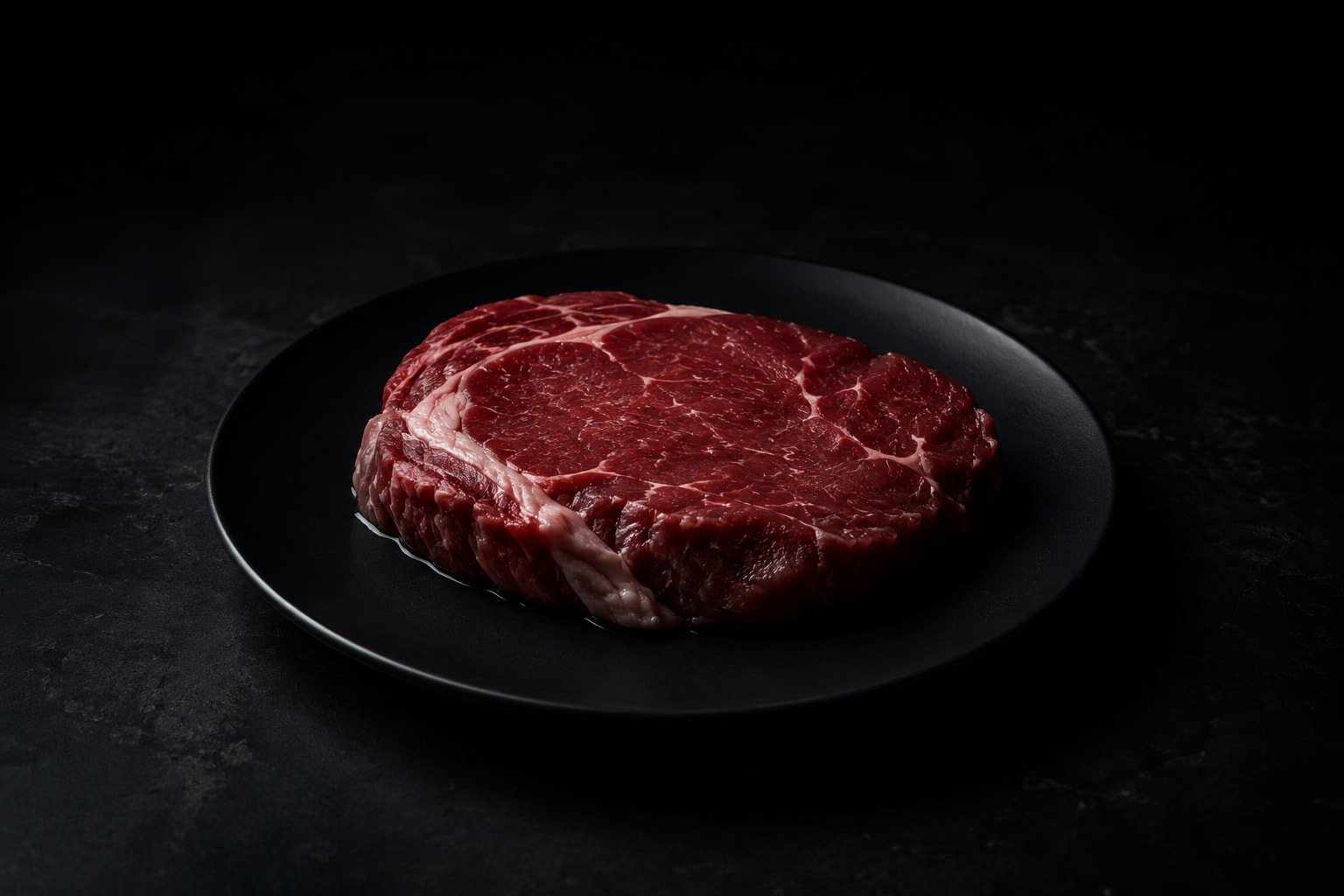
Somewhere in your body right now, a quiet demolition crew may be at work, and nobody warned you they were coming.
GLP-1 drugs, the family of medications that includes Ozempic, Wegovy, and Mounjaro, have swept across the world like a pharmaceutical tidal wave. They shrink appetites. They shrink waistlines. They have shrunk the stock of anyone who bet against them. But buried underneath the glowing before-and-after photos is a question that scientists are only now asking out loud, and it is a deeply uncomfortable one.
When these drugs melt away your weight, what exactly are they melting?
The Uncomfortable Truth About Losing Weight
Here is the thing nobody says at the pharmacy counter. When a human being loses a significant amount of weight, they never lose only fat. The body, that endlessly practical machine, does not politely separate the pounds you want gone from the tissue you desperately need to keep.
It takes a little of everything.
That means muscle. Real, functional, load-bearing muscle. The kind that lets you climb stairs, lift a grandchild, or open a jar of pickles without summoning a neighbor. Studies on rapid weight loss have long shown that somewhere between a quarter and a third of the weight people shed can come from lean mass rather than fat.
And that is not a footnote. That is a five-alarm fire dressed up as a success story.
Muscle is not vanity. Muscle is survival. It is the tissue that keeps you upright, keeps your metabolism humming, and keeps you from becoming fragile as you age.
So the fear whispered in gyms and doctors' offices is not crazy. It is grounded in something genuinely worth worrying about.
So Do These Drugs Actively Attack Muscle?
This is where it gets interesting, and where the internet gets things spectacularly wrong.
GLP-1 drugs do not go hunting for your biceps like tiny assassins. They are not muscle-seeking missiles. What they do is far more subtle, and honestly, far more human.
They make you eat less. A lot less.
And when you eat dramatically less, especially less protein, your body loses the raw materials it needs to maintain muscle. Combine that with the natural muscle loss that comes with any weight reduction, and you have a recipe for real trouble.
Think of it this way. Your muscles are a garden. Protein and exercise are the water and sunlight. These drugs do not poison the garden. They simply make you forget to water it because you are no longer hungry enough to remember.
The muscle loss is not a side effect of the drug's chemistry. It is a side effect of the eating behavior the drug creates.
The Part That Should Genuinely Concern You
There is a population where this stops being a numbers game and starts being a matter of life quality. Older adults.
As people age, they already lose muscle in a slow, silent process. Add a powerful appetite suppressant on top of that, and you can accelerate a slide toward frailty, falls, and broken hips. A broken hip in an older person is not an inconvenience. It can be the beginning of the end.
And yet the prescriptions keep flowing, often without a single conversation about lifting weights or eating enough protein.
Imagine handing someone a chainsaw that trims their hedges beautifully but also quietly trims the support beams of their house, and never mentioning the second part.
That is the gap between what these drugs can do and what patients are actually being told.
But Here Is Where the Story Turns
Because if the tale ended there, it would be a tragedy. It does not.
The muscle loss from GLP-1 drugs is not destiny. It is a challenge, and it is a beatable one.
The research points, with almost boring consistency, toward two ancient and unglamorous solutions:
- Eat enough protein. When appetite disappears, protein must become a deliberate priority rather than an afterthought.
- Lift heavy things. Resistance training is the single most powerful signal you can send your body to hold onto muscle even while fat vanishes.
People who combine these medications with strength training and adequate protein do not experience the same dramatic muscle collapse. Their gardens get watered. The demolition crew gets sent home.
The Deeper Story Nobody Is Telling
What makes this whole saga so fascinating is what it reveals about us. We treat weight loss as a purely positive number on a scale, a triumph measured in pounds erased. But the body does not think in pounds. It thinks in tissue, in function, in the ability to survive the next decade.
A person who loses forty pounds and half their strength has not won. They have simply traded one vulnerability for another.
This is the blind spot at the center of the GLP-1 revolution.
These drugs are, without exaggeration, a genuine medical marvel. They are helping people with diabetes, with heart disease, with conditions that quietly steal years of life. For many, they are the first thing that has ever worked. To dismiss them as muscle-destroyers would be its own kind of lie.
The drug is not the villain. The silence around it is.
What This Actually Means for You
The panicked headlines asking whether GLP-1 drugs destroy your muscles are asking the wrong question. The right question is whether you are being given the full instruction manual, or just half of it.
Because a drug that shrinks fat while you protect your muscle is a triumph of modern medicine. A drug that shrinks everything while you sit passively and hope for the best is something closer to a slow-motion mistake.
The difference between those two outcomes is not the medication. It is the protein on your plate and the weight in your hands.
So the muscles are not doomed. But they will not save themselves either. They are waiting, patiently, in the dark, for someone to remember they exist. And whether that someone shows up with a dumbbell and a chicken breast is entirely a human choice, not a chemical one.
That is the strange, quiet beauty buried inside this pharmaceutical phenomenon. The most advanced medicine on the market still depends on the oldest advice in the world. Move your body. Feed it well. And never mistake a smaller number on a scale for a stronger life.