GLP-1 Drugs and the Miracle Body: What the Ozempic Revolution Isn't Telling You
GLP-1 drugs are being hailed as a miracle, and much of that praise is earned. But the glowing internet version leaves out the side effects, the lifelong cost, and the biology nobody posts about.
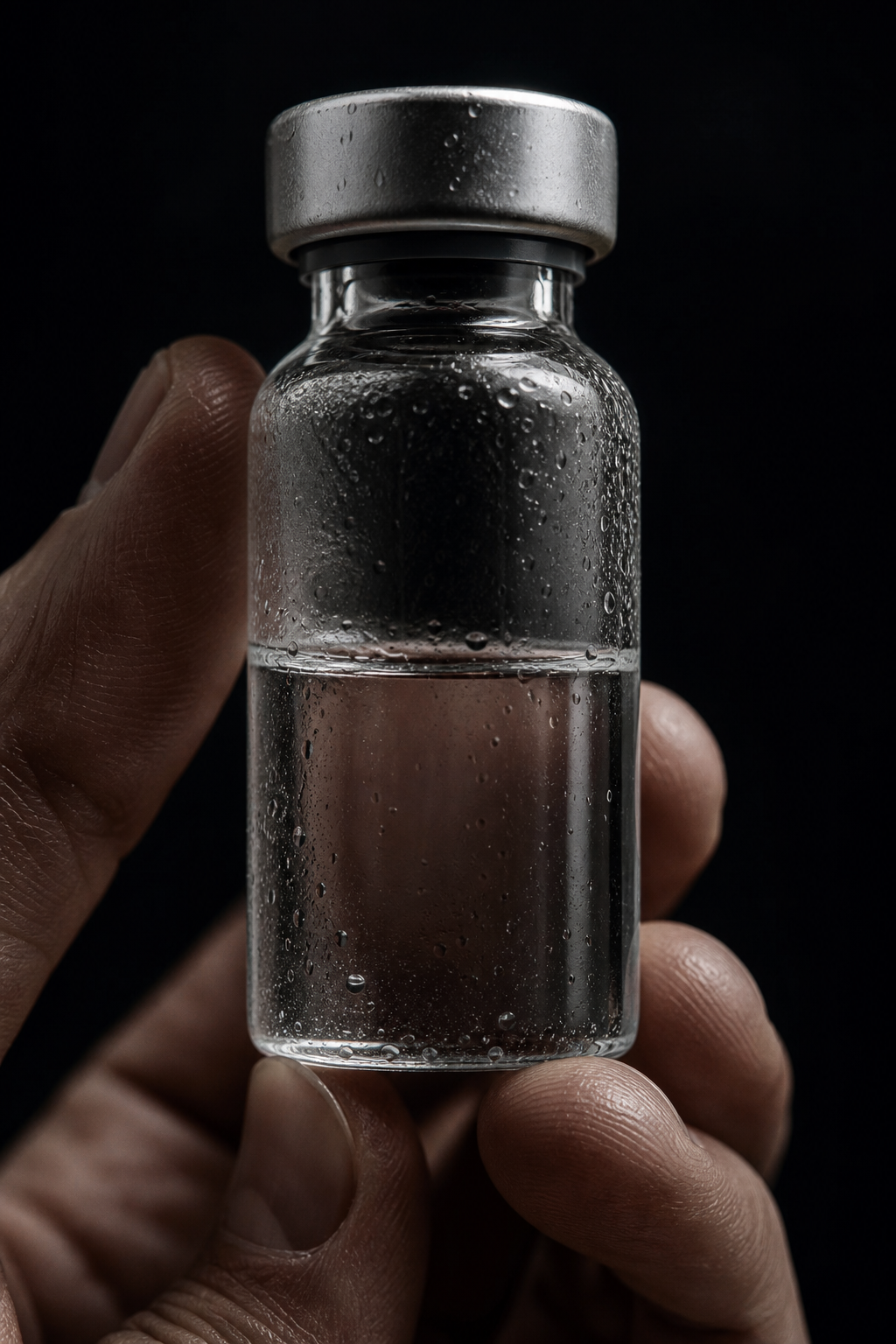
There is a molecule loose in the bloodstream of millions of people right now, and it is quietly rewriting the rules of hunger itself.
It is called GLP-1, and if you believe the internet, it is the closest thing modern medicine has ever produced to a genuine magic wand. 🪄
People cannot stop praising it. They whisper about it at dinner parties. They confess it in group chats. They post before-and-after photos with the giddy energy of someone who has discovered fire, or at least a really good deal on a rotisserie chicken.
And here is the wild part: a lot of that praise is deserved.
The Hormone That Was Always Inside You
Let us start with something genuinely awe-inspiring, because it is easy to forget how strange the human body actually is.
GLP-1 is not some alien chemical invented in a lab basement by a villain in a lab coat. It is a hormone your own gut has been making your entire life. It stands for glucagon-like peptide-1, which is a mouthful, but the important thing is what it does.
When you eat, your intestines release it. It tells your pancreas to release insulin. It slows down how fast food leaves your stomach. And it travels up to your brain and taps gently on the part of you that screams for a second slice of cake, and it says, softly, you're good, actually.
For decades, that quiet biological whisper was too faint and too fleeting to matter much. Then scientists figured out how to make it last for days instead of minutes. And the world tilted.
That is the real trick here. Drugs like semaglutide and tirzepatide don't invent a new feeling. They take an ancient conversation between your gut and your brain and turn the volume up until you can finally hear it over the noise. 📢
Why Everyone Is Suddenly Obsessed
The reason people have great things to say is that, for many of them, the drug did something nothing else ever had.
Consider the sheer emotional weight of that. Imagine spending twenty years locked in a screaming argument with your own appetite. Imagine losing that fight every single afternoon around three o'clock. And then imagine the argument simply going quiet.
People describe it not as willpower, but as silence. The food noise, that constant background hum of craving, just switches off. For someone who has lived with it their whole life, that silence can feel like a religious experience.
And it is not only about weight. The science genuinely sparkles here:
- Blood sugar: These drugs were built for type 2 diabetes, and they are extraordinary at it.
- The heart: Studies show reduced risk of heart attacks and strokes in certain patients.
- The kidneys: Evidence points toward real protective benefits.
- The brain: Researchers are chasing links to addiction, cravings, even inflammation.
So yes, the enthusiasm is earned. This is a legitimate scientific breakthrough, not a scam smoothie sold by a man named Chad with alarmingly white teeth.
Now For The Part Nobody Posts About
Here is where the fairy tale gets a footnote.
Because when a drug becomes a cultural obsession, something strange happens. The messy, complicated truth gets flattened into a highlight reel. And the highlight reel is lying to you by omission.
The people who tolerate GLP-1 drugs beautifully tend to shout about it. The people who spent a week hugging a toilet tend to go quiet. Human nature curates the story, and the story ends up sunnier than the science.
The side effects are real. Nausea. Vomiting. A digestive system that occasionally stages a full rebellion. For some, it fades. For others, it lingers like an unwanted houseguest who keeps eating your groceries. 🤢
Then there is the muscle problem. When you lose weight this fast, you don't only lose fat. You can lose muscle too, and muscle is not something your body throws a going-away party for. Losing it, especially as you age, is a genuinely bad idea.
The Catch Written In Very Small Print
And now the sentence that the excited posts almost never include.
For most people, the moment you stop taking it, the hunger comes roaring back.
This is not a moral failing. It is chemistry. Turn off the signal, and the ancient whisper fades again, and the weight often returns. Which means, for many, this is not a quick fix at all. It is a lifelong relationship with a weekly injection and a monthly bill.
Let us sit with that bill for a moment, because it is absurd. 💸
These medications can cost a staggering amount out of pocket. Insurance coverage is a chaotic, inconsistent patchwork. So we have arrived at a genuinely uncomfortable place: a treatment that could help millions of people, priced in a way that quietly sorts them by their bank accounts.
A miracle that only works if you can afford it forever is not quite a miracle. It is a subscription.
The Shortage Nobody Planned For
Here is another consequence of the hype that borders on the ridiculous.
These drugs were designed, first and last, to save the lives of people with diabetes. But when the whole planet decides it wants the same medication, the shelves empty out. There have been real shortages, and real diabetics have been left scrambling for a drug they depend on to survive.
Think about the strange cruelty of that. A tool built for a serious disease becomes so trendy that the people who need it most have to fight for it. That is not the drug's fault. That is ours. 🌍
So What Is Actually True?
Both things are real at once, and refusing to hold both is how people get fooled.
GLP-1 medications are one of the most significant medical advances of this generation. They are helping people who were failed by every diet, every lecture, every cruel bit of advice to simply try harder. They are treating disease. They may be quietly protecting hearts and kidneys and minds in ways researchers are only starting to map.
And also: they are expensive, they carry side effects, they demand a lifelong commitment, and they have been swept up into a hype machine that treats them like a personality trait instead of a serious pharmaceutical.
The mistake is not in taking the drug. The mistake is in believing the frictionless, glowing version of the story that the internet keeps selling. Real bodies are messy. Real medicine has trade-offs. Anyone promising you a consequence-free transformation is either uninformed or selling something.
The truth about GLP-1 is stranger and more interesting than the fairy tale. It is a story about a whisper inside your own gut, amplified by human ingenuity, tangled up in money and desperation and hope. It is a genuine wonder wearing a very expensive price tag, and it deserves our clear eyes far more than our blind applause. 👀